
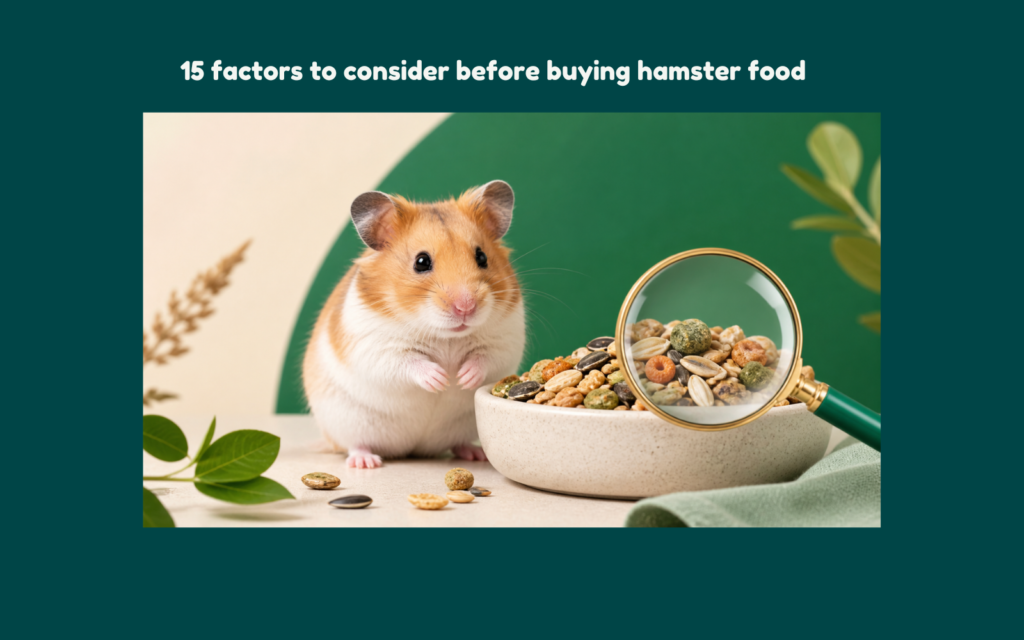
What are the 15 factors to consider before buying hamster food?
To ensure your pet thrives on a safe, enriching, and species-appropriate diet, owners must evaluate 15 critical factors before buying hamster food to understand exactly what goes into their daily bowl.
Standing in the pet store aisle surrounded by colorful bags and conflicting marketing claims is incredibly overwhelming. Buying unverified pet food is much like grocery shopping blindfolded; you grab bright packages hoping they contain what you need, entirely unaware of what is actually inside.
This comprehensive guide breaks down the 15 essential factors you must weigh before making a purchase, covering how to audit ingredients, match biological needs, and safely transition your pet’s diet.
Strict Veterinary Disclaimer
The content provided in this guide is for educational and informational purposes only and represents the independent research of HamsterAtlas. This information does not constitute professional veterinary advice. Every hamster is an individual with unique health requirements. Always consult with a qualified exotic pet veterinarian before implementing significant dietary transitions.
The 15 Factors Covered in This Guide:
1. Why is nutritional balance the first baseline to establish before buying hamster food?
Nutritional balance is the foundational step of your evaluation process, as establishing a sensible ratio of proteins, fats, and fibers helps support overall well-being when comparing base diets.
The National Research Council (NRC) specifies that precise macronutrient baselines are required to maintain adult hamster vitality.
2. How do species-specific needs change your choices before purchasing hamster food?
You must carefully evaluate your specific pet’s biology, as physiological differences directly change your choices. For example, dwarf and Syrian hamsters often require distinct feeding approaches due to their varying metabolic demands.
Growing Syrian hamsters typically require slightly higher protein levels to maintain their larger muscle mass. In contrast, dwarf species possess a higher genetic predisposition to diabetes and generally require strict, lower-sugar dietary parameters.
General resources on small mammal health often highlight these species-specific distinctions.
3. What role does your pet’s life stage play prior to buying hamster food?
Metabolic requirements shift naturally as your pet ages. Adapting their bowl to their current life stage helps accommodate changing energy and dental needs.
-
Juvenile Hamsters: Generally benefit from higher protein and caloric intake to support rapid skeletal and muscular growth.
-
Adult Hamsters: Require a stable maintenance-level balance to prevent unwanted weight gain while supporting activity.
-
Senior Hamsters: Some senior hamsters may need adjusted protein levels to help reduce the workload on aging kidneys, alongside easily digestible pieces for weaker teeth.
4. How should you compare food type options before selecting hamster food?
Weigh the benefits of different styles to find the most appropriate base diet. Selecting between pellets and seed mixes usually comes down to managing selective eating habits versus providing mental enrichment.
| Food Style | Key Dietary Benefits |
|---|---|
| Pelleted Diets | Strict nutritional uniformity prevents picky, selective eating. |
| Natural Seed Mixes | Encourages natural foraging and hoarding behaviors for mental enrichment. |
5. Why is proper dietary texture critical for dental health before you buy hamster food?
Evaluating the physical density of a diet is essential for natural dental wear. The hardness of the ingredients directly impacts how effectively they grind down their continuously growing incisors.
6. What kind of natural flavor variety should you look for before buying hamster food?
Natural olfactory variety stimulates healthy foraging behaviors. Offering safe floral and protein add-ins encourages their natural instinct to sift and hoard.
-
Dried Herbs: Calendula, dandelion, or chamomile flowers provide safe scents.
-
Animal Proteins: Dried mealworms or crickets stimulate natural interest.
7. How can you verify high ingredient quality on the label before purchasing hamster food?
Actively auditing the label is the only way to verify true quality. Checking the guaranteed analysis ensures the primary ingredients come from whole-food sources rather than cheap byproducts.
The Ingredient Audit Checklist
8. Why must you verify strict dietary safety protocols prior to buying hamster food?
Checking preservatives, dyes, and sugary binders helps you avoid ingredients that may be unsuitable for daily feeding. Spotting these artificial additives early ensures the mix remains safe for long-term consumption.
-
Avoid Artificial Preservatives: BHA, BHT, or Ethoxyquin are often flagged for long-term health reasons.
-
Avoid Heavy Binders: Molasses or excessive syrups can lead to unnecessary weight gain.
9. How do you visually identify and avoid fillers before selecting hamster food?
If a mix contains excessive alfalfa pellets that your hamster consistently ignores, consider choosing a higher-quality mix instead of relying on manual sorting. Filtering out cheap filler ingredients improves the overall nutritional density of each bowl.
Dietary Quality Audit
- Step 1: Inspect the ratio of whole seeds to compressed fillers in the bag.
- Step 2: Note if there are too many generic green alfalfa pellets.
- Step 3: Transition to a mix with higher whole-food integrity.
10. What hidden unhealthy treats should you spot in mixes before you buy hamster food?
Many commercial mixes include treats that are too high in refined sugars for daily consumption. Swapping out processed pieces for safer natural alternatives prevents unnecessary weight gain and digestive upset.
✕ Processed Treats
Yogurt drops and honey-baked clusters contribute to metabolic issues.
✓ Natural Treats
Plain pumpkin seeds or freeze-dried shrimp are better protein sources.
11. Why should a proven brand reputation guide your final decision before buying hamster food?
Brand transparency and quality control are essential metrics for safety. Buying from reputable manufacturers often guarantees stricter testing and more reliable ingredient sourcing.
Look for manufacturers that provide full ingredient transparency and rigorous quality control rather than relying on vague “animal derivative” labels.
12. How do you weigh the true long-term cost of a premium diet prior to buying hamster food?
Evaluating “price per ounce” of nutrient-dense food is often more cost-effective than buying bulk fillers. While premium bags have a higher upfront price, their long-term nutritional value usually offsets future veterinary expenses.
Investing in proper nutrition can help reduce the frequency of diet-related veterinary visits down the line.
13. What is the best storage and freshness strategy to plan before purchasing hamster food?
Many owners freeze new seed mixes for 48 hours to reduce the risk of pantry pests before transferring the food into an airtight container. Maintaining proper freshness protocols prevents vital fats and oils in the seeds from going rancid.
-
Freezing Precaution: Reduces the likelihood of grain mites or eggs in the substrate.
-
Airtight Storage: Helps maintain freshness and prevents lipid oxidation over time.
14. How can you anticipate daily palatability and transition steps before selecting hamster food?
Track acceptance to ensure your pet is receiving a balanced intake and isn’t picky. Observing their daily eating habits will tell you if they are actually consuming the healthy parts of the mix or just hoarding the sugary bits.
| Day | Acceptance | Bowl Observation |
|---|---|---|
| Day 3 | High | Eating seeds, ignoring alfalfa |
15. How do you monitor and fix digestibility issues before buying hamster food?
Monitor gastrointestinal health during the first 14 days of any dietary switch. Taking this transition slowly helps support healthy digestion and prevents sudden loose stools.
Observation: Watch for changes in energy levels or stool consistency.
Action: Slow down the transition ratio if you notice any signs of upset.
Final Evaluation Checklist
You can confidently finalize your evaluation by performing these three final checks:
-
Check the guaranteed analysis on the bag and make sure the protein, fat, and fiber levels fit your hamster’s species and age.
-
If a mix contains excessive alfalfa pellets that your hamster consistently ignores, consider choosing a higher-quality mix instead of manual removal.
-
Consider freezing new seed mixes for 48 hours to reduce the risk of pantry pests before transferring the food into an airtight container.
Providing high-quality nutrition is one of the most effective ways to support your hamster’s long-term health and well-being.