
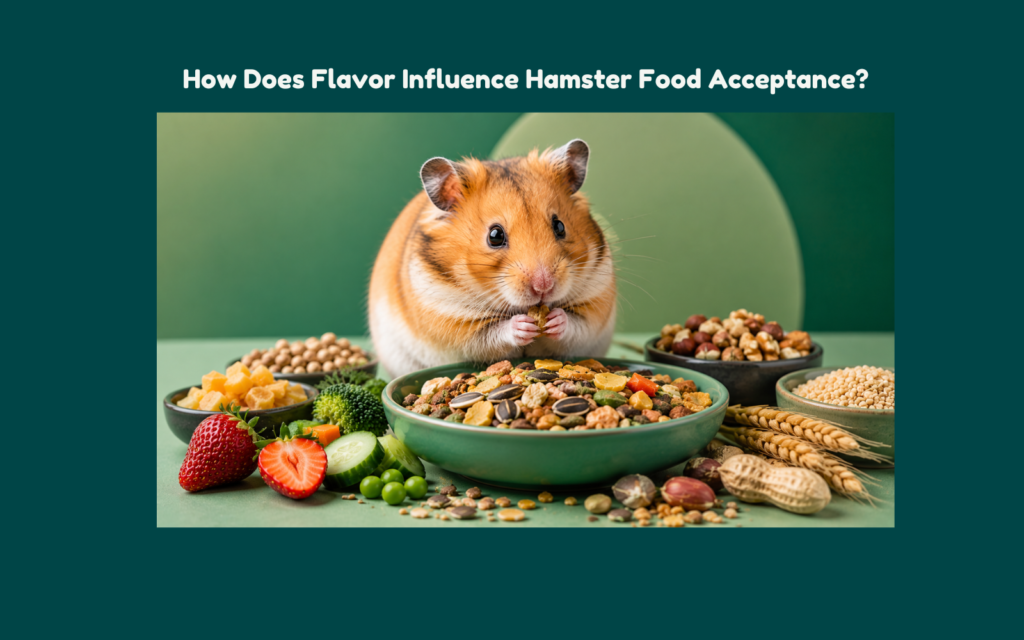
How Does Flavor Influence Hamster Food Acceptance?
The taste and aroma of your hamster’s daily meals fundamentally determine whether they eagerly consume the baseline nutrients they need to thrive.
Pouring a bowl of scientifically perfect food is useless if your hamster turns their nose up at it. A healthy diet still needs to be biologically appealing to function properly in reality. Think of it like offering a child a plate of completely unseasoned, boiled vegetables; no matter how healthy the meal is on paper, they are highly unlikely to eat it without some level of savory appeal. This comprehensive guide explores the intersection of biology and taste, covering why natural flavor profiles matter, how to encourage wild foraging instincts, and how to safely correct picky eating habits.
Why is flavor a critical factor in hamster food acceptance?
A biologically appropriate diet relies on appealing, natural tastes to encourage consistent daily eating and help support everyday wellness. A functional diet must bridge the gap between nutritional completeness and biological palatability. Because hamsters are prey animals, their highly developed olfactory cues and gustatory senses are biologically wired to seek out high-value, safe flavors. Consider a premium but completely flavorless pelleted block.
It might offer perfect baseline nutrition, but if it is completely ignored, the immediate result is malnutrition. Contrast this outcome with a naturally aromatic mix that guarantees the pet actually ingests their required daily nutrients. As established by the National Research Council (NRC) Nutrient Requirements of Laboratory Animals, consistent, adequate daily intake is strictly necessary for basic metabolic function, making the role of flavor in hamster food acceptance a non-negotiable aspect of their ongoing care.[1]
(Scent Cues)
(Taste Appeal)
Chart Explanation: This diagram illustrates the dual sensory approach hamsters use to evaluate food, combining initial scent cues to locate meals with taste appeal to confirm palatability.
How do natural versus synthetic flavors impact hamster food acceptance?
The source of a diet’s flavor determines whether you are building sustainable, healthy eating habits or risking long-term diet-related complications. When evaluating how natural versus synthetic flavors impact hamster food acceptance, we must look directly at the underlying ingredients. Whole-food ingredients, such as earthy grains, safe proteins, and dried botanicals, promote healthy eating habits that align perfectly with the animal’s biology.
In stark contrast, heavily processed diets often rely entirely on synthetic sweeteners, artificial syrups, and added sugars. These specific additives are frequently used to mask poor-quality base ingredients, creating an artificially high palatability that can lead to severe health issues. Data published from small animal metabolic studies and Royal Veterinary College (RVC) VetCompass highlights a strong correlation between refined commercial sweeteners and the rapidly rising rates of obesity and diabetes in pet rodents.[2]
Natural Flavor Profiles
Earthly grains, safe proteins, and dried botanicals.
Synthetic Sweeteners
Artificial syrups, added sugars, and processed molasses.
Chart Explanation: A visual comparison highlighting how natural flavor profiles leverage safe, whole-food ingredients, whereas synthetic sweeteners rely on heavily processed additives that can pose long-term health risks.
How do varied flavor profiles support natural foraging and hamster food acceptance?
Offering diverse, earthy, and savory tastes actively stimulates a pet’s natural instinct to forage, hoard, and eventually consume their meal. Varied, authentic tastes directly mimic the scattered, complex food sources hamsters would naturally find in the wild. This specific dietary complexity keeps the pet mentally engaged and actively triggers their natural instinct to search for different tastes hidden throughout the enclosure.
By providing a broad array of safe, natural tastes, you actively prevent mealtime boredom and encourage healthy movement. Ethological studies published in the Journal of Applied Animal Welfare Science confirm that strong olfactory stimulation and flavor variety reliably encourage active foraging behaviors in captive rodents, proving that varied flavor profiles support natural foraging and overall psychological stability.[3]
Chart Explanation: This illustration demonstrates how a complex, naturally scented environment triggers a hamster’s wild instinct to actively track olfactory trails and uncover hidden, varied food sources.
How do you fix picky eating driven by strong flavor preferences in hamster diets?
If your pet has become addicted to highly sweetened commercial mixes, you must carefully reset their palate without causing a stressful food strike. Addressing picky eating driven by strong flavor preferences in hamster diets requires a structured and patient approach.
The Problem: Hamsters fed a diet rich in artificial molasses or sugary yogurt drops will often outright reject healthier foods. They become accustomed to a nutritionally imbalanced diet and hold out for the highly sweetened items they prefer, ignoring high-quality seeds and grains entirely.
The Solution: Implement a gradual transition over 7 to 14 days. Begin by mixing a small ratio of the new, healthier food into the old diet, slowly increasing the healthy portion while decreasing the old over the transition period. Strict portion control is required here to ensure the hamster eventually eats the naturally flavored pieces rather than just selectively picking out the remaining sweet items.
Standard exotic veterinary protocols for dietary transitions universally recommend this gradual phase-in strategy. A slow transition acts to prevent acute gastrointestinal dysbiosis and severe caloric deficits during inevitable food strikes.[4]
7 to 14 Day Safe Transition Strategy
Chart Explanation: A step-by-step timeline detailing the widely recommended 14-day phase-in protocol. Slowly increasing the ratio of new food prevents digestive upset and minimizes the chance of a stubborn food strike.
How do you audit your mix to optimize flavor and hamster food acceptance today?
You can immediately improve your pet’s dietary health by actively reviewing your current bag’s ingredient list for hidden sweeteners and monitoring their daily eating habits. To optimize flavor and hamster food acceptance today, use the following quick-reference audit checklist to evaluate what you are offering.
| Flavor Source | Recommended Ingredient | Warning Sign | Action to Take |
|---|---|---|---|
| Botanicals | Dried herbs (calendula, dandelion) | Unnaturally bright, dyed floral pieces | Choose un-dyed, naturally dried herbal mixes |
| Sweeteners | Occasional natural fruit sugars | Added molasses, corn syrup, or fructose | Phase out in favor of unsweetened base diets |
| Proteins | Dried mealworms or crickets | Heavily processed “meat derivatives” | Select whole-food, naturally savory protein sources |
References & Citations
- National Research Council (NRC). Nutrient Requirements of Laboratory Animals. Baseline metabolic function and adequate daily intake.
- Royal Veterinary College (RVC) VetCompass. Small Animal Metabolic Studies. Correlation between refined commercial sweeteners and obesity/diabetes in pet rodents.
- Journal of Applied Animal Welfare Science. Ethological studies on olfactory stimulation, flavor variety, and active foraging behaviors in captive rodents.
- Standard Exotic Veterinary Protocols. Dietary Transition Guidelines. Prevention of acute gastrointestinal dysbiosis and severe caloric deficits.
Use this flavor audit to evaluate your pantry and choose a vetted, naturally flavored diet that supports their well-being.
Evaluating your pet’s food carefully is a practical, proactive way to support their lifelong health and daily well-being.
Important Veterinary Disclaimer
The information provided on HamsterAtlas is for educational and informational purposes only and is not intended to substitute for professional veterinary advice, diagnosis, or treatment. Every hamster has unique metabolic and dietary needs. Always consult with a qualified exotic veterinarian before making significant changes to your pet’s diet, transitioning foods, or if you suspect any underlying medical conditions like obesity or diabetes.