
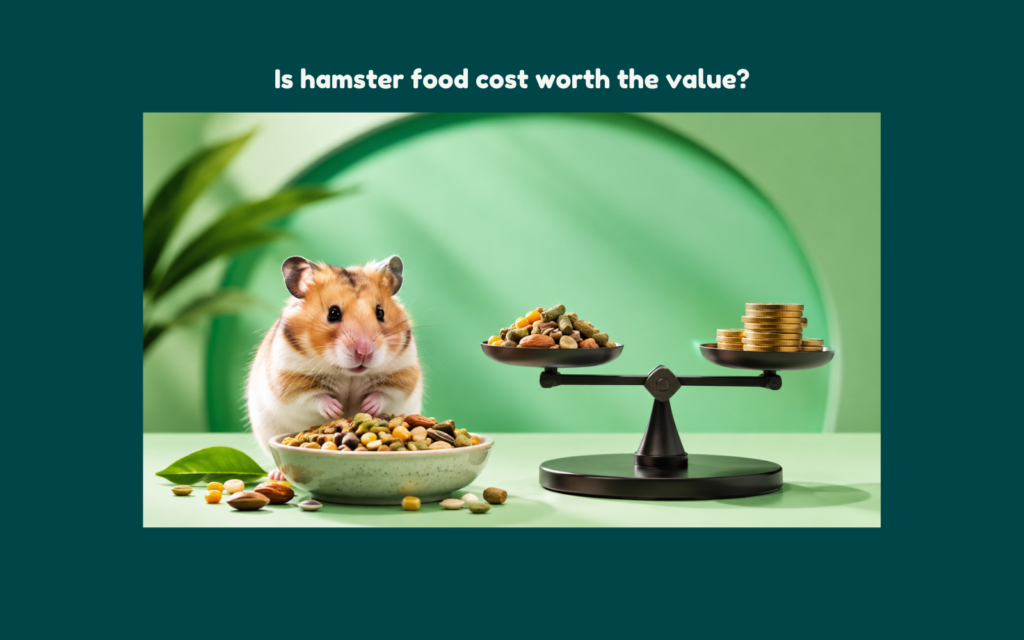
Is Hamster Food Cost Worth the Value?
The price tag on a bag of hamster food serves as a direct reflection of ingredient sourcing, nutritional bioavailability, and overall dietary safety.
Standing in the pet store aisle, comparing a massive, five-dollar bag of generic feed against a smaller, higher-priced specialized mix, makes many of us wonder: are we just paying for fancy packaging, or are there actual health benefits? Choosing cheap, filler-heavy pet food is remarkably similar to putting low-grade fuel in a high-performance engine; it costs less at the register, but the poor daily energy levels and long-term veterinary costs negate those savings entirely. This comprehensive guide explores the economics of small animal nutrition, covering how to evaluate true dietary value, the hidden physical costs of cheap fillers, and how to safely transition to a superior mix.
Nutritional Density & Bioavailability
Why does hamster food cost reflect the baseline value of daily nutrition?
Premium ingredient sourcing, species-specific formulation, and natural preservation inherently require a slightly higher upfront investment but provide complete, uncompromising daily nutrition. When assessing the true expense over the lifespan of a pet, dietary value is measured by biological absorption, not by the sheer volume of food in the bag. Bioavailable, nutrient-dense ingredients are efficiently digested; in fact, experienced owners often notice their hamsters actually eat less overall volume while maintaining stable weight because they absorb critical vitamins faster. Contrast paying for a cheap bag that results in excessive cage waste and constant bowl refilling against investing in whole foods that promote consistent daily energy.
How do premium versus budget options impact the true value in hamster diets?
The difference between pricing tiers becomes incredibly obvious when cleaning the enclosure. Evaluating dietary quality involves looking at the stable energy provided by whole-food mixes versus the rapid consumption, heightened appetite, and messy, voluminous physical waste output associated with carbohydrate-heavy blends. Cheap fillers rapidly spike blood sugar, leaving the animal hungry and forcing the owner to replenish the food bowl more frequently. Royal Veterinary College (RVC) VetCompass demographic data highlights the increased prevalence of obesity, malnutrition, and subsequent veterinary costs in pet rodents fed heavily processed diets, demonstrating how a lower upfront price rapidly transforms into a heavy biological and financial burden.
Cost Analysis Over Lifespan
What specific ingredients act as empty fillers in cheap hamster food?
Budget-friendly commercial mixes frequently rely on ingredients designed to appeal to human aesthetics and mass manufacturing rather than small animal biology. Recognizing these specific empty fillers is critical for maintaining long-term metabolic health. Artificial dyes, for instance, are completely unnecessary for rodents, serving only to make the mix look vibrant to the buyer on the shelf. Similarly, sugary “yogurt” drops and molasses-heavy pellets act as cheap binding agents and flavor enhancers. These high-glycemic additions cause rapid blood sugar spikes, directly increasing the risk of obesity and destabilizing the delicate gastrointestinal flora.
Furthermore, a heavy reliance on excessive corn and wheat fillers acts as an inexpensive bulking agent. Because these complex carbohydrates offer extremely low nutritional bioavailability, the digestive system passes them rapidly. This process leaves the animal undernourished while simultaneously increasing physical waste output, forcing owners into a cycle of constant enclosure cleaning. Finally, generic “animal derivatives” represent a highly unpredictable protein source, lacking the clear, consistent amino acid profiles found in transparently sourced whole foods.
What specific factors drive up the cost of high-value hamster food?
A higher price tag is biologically justified when the manufacturer invests in transparent formulation, specialized protein inclusions, and rigorous nutritional testing. The premium cost directly accounts for exactly what an owner is bringing into their home. Manufacturers utilizing species-appropriate ingredients rather than relying on generic agricultural by-products naturally incur higher production costs. Strict quality control assays, the inclusion of safe, naturally dried insects, and airtight packaging methods directly contribute to the overall safety of the diet. Guidelines from Clinical Nutrition of Small Mammals explain the absolute financial and biological necessity of rigorous nutritional assays and high-quality protein sourcing to prevent systemic deficiencies.
How do species-specific differences dictate the value of a dietary mix?
Assessing dietary value also requires recognizing that nutritional requirements vary significantly across different species. A formulation that adequately supports a larger rodent may pose severe risks to a smaller one. Syrian hamsters, due to their larger physical mass, require robust protein profiles and slightly higher overall caloric intake to maintain muscle tone and energy. Their diets often benefit from larger, varied whole-food pieces that encourage natural foraging behaviors and proper dental wear.
Conversely, dwarf species—particularly Campbells and Winter Whites—possess a well-documented genetic predisposition to metabolic disorders, including severe sensitivities to dietary sugar. For a dwarf owner, evaluating food value means strictly auditing the ingredient panel for added fruits, molasses, and high-glycemic binding agents. Feeding a budget mix heavily laden with these carbohydrates to a dwarf hamster dramatically accelerates the onset of diabetes. Therefore, a truly high-value diet is one correctly calibrated for the specific biological constraints of the animal, providing safe, species-appropriate ratios that prevent long-term systemic failures.
How does a real monthly feeding cost breakdown compare budget and premium diets?
Evaluating the practical economics of daily feeding requires looking beyond the initial checkout receipt and analyzing the real monthly feeding cost breakdown. A standard bag of heavily processed, low-cost hamster food might seem economical, but the high volume required to meet basic caloric needs tells a different story. Due to the low bioavailability of carbohydrate-heavy fillers, an owner will replace a budget bag significantly faster. When factoring in the hidden costs of accelerated bedding replacement—necessitated by increased physical waste from undigested fillers—the monthly expenditure rises sharply.
In contrast, investing in a high-value, nutrient-dense diet demands a slightly higher initial purchase. However, because the animal extracts critical macronutrients efficiently, their daily consumption volume drops. A single bag of premium food frequently lasts weeks longer than its cheaper counterpart. Over a standard month, the financial gap narrows significantly, and over the pet’s lifespan, the avoidance of diet-related veterinary implications makes the high-value approach definitively more economical.
How do you fix dietary imbalances caused by highly processed, low-cost hamster food?
If your pet is currently consuming a cheap, nutritionally imbalanced commercial mix, you must safely transition them to a better diet without causing gastrointestinal upset. Imbalances often stem directly from heavily processed ingredients; we frequently see rescued hamsters completely addicted to added sugars, meaning an abrupt switch to healthy, whole foods can trigger a stubborn food strike or soft stools.
To prevent these complications, smoothly phase out the filler-heavy mix by blending 25% new food with 75% old food for the first few days. Gradually step up to 100% new food over a carefully monitored 14-day period to safely adjust their gut flora. Standard exotic veterinary protocols universally recommend this gradual phase-in to prevent acute digestive shock.
Safe Dietary Transition Timeline
How do you audit your current bag to evaluate true hamster food cost and value today?
You can immediately determine whether you are paying for empty fillers or bioavailable nutrition by auditing your current food’s ingredient panel today.
| Cost Factor | Value Indicator | Warning Sign | Action to Take |
|---|---|---|---|
| Protein Sourcing | Whole proteins (e.g., mealworms, recognizable seeds) listed first | Generic “meat meals” or “animal derivatives” | Switch to a transparently sourced, high-value mix |
| Bulking Agents | Nutrient-dense whole grains | Paying primarily for cheap corn, wheat middlings, or alfalfa hay | Phase out the budget brand in favor of filler-free diets |
| Preservation | Uses natural mixed tocopherols | Relies on synthetic additives (BHA/BHT) to artificially extend cheap shelf life | Select naturally preserved, rigorously tested alternatives |
Sources & Citations:
- National Research Council (NRC). Nutrient Requirements of Laboratory Animals . Fourth Revised Edition. The National Academies Press.
- Royal Veterinary College (RVC) VetCompass. Demographic and Health Data on Small Pet Mammals .
- Dierenfeld, E.J. Clinical Nutrition of Small Mammals . Journal of Exotic Pet Medicine.
Editorial & Medical Disclaimer:
The information provided in this guide by HamsterAtlas is strictly for educational and informational purposes only and is not intended as a substitute for professional veterinary advice, diagnosis, or treatment. Always seek the advice of your exotic veterinarian or other qualified animal healthcare provider with any questions you may have regarding a medical condition or sudden dietary changes. Never disregard professional veterinary advice or delay in seeking it because of something you have read on this website.
One Response