
Is It Safe To Feed Food That Smells Slightly Off?
It is a remarkably common experience. An owner walks into the room, pops the lid off their plastic storage tub to scoop out the daily meal, and is immediately hit with a scent that just seems completely wrong. The smell is unexpected and unfamiliar. You hold the scoop over the bowl and wonder: is it actually safe to feed this to my hamster today?
When you encounter a strange smell, it is easy to panic and assume the worst. However, guessing whether a bag of seeds is safe to feed based on a quick, worried sniff often leads to perfectly good food being thrown away, or worse, compromised food being poured directly into the bowl. Determining if it is safe to feed comes down to distinguishing between a natural herbal scent and a sour, musty warning sign.
We are going to break down why owners often notice shifted smells during storage, how to note the original smell on day one, how to tell the difference between strong herbs and a compromised tub, and how to check your enclosure today.
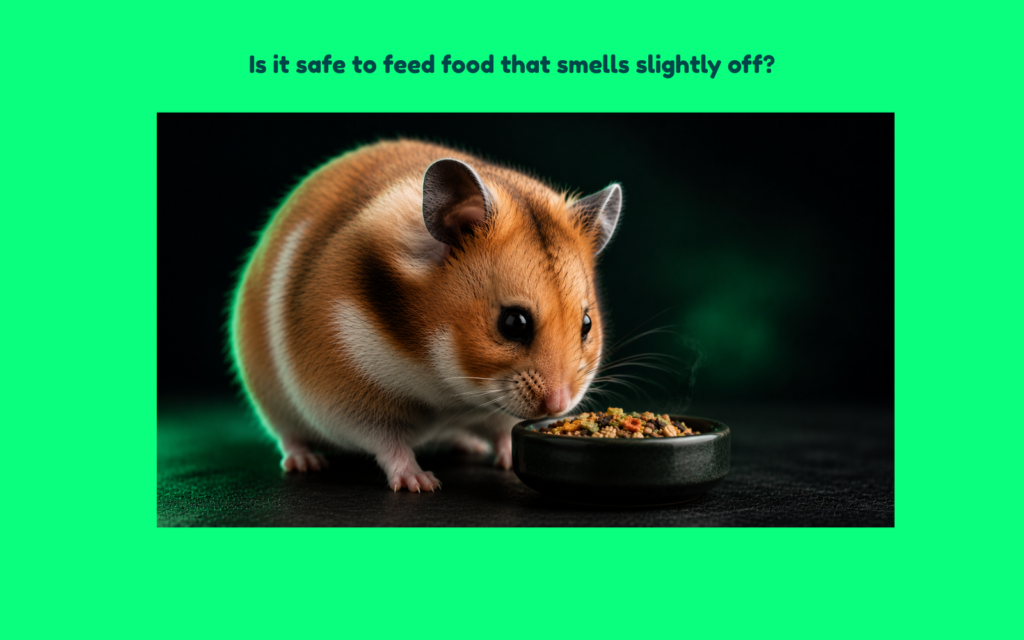
This visual represents the moment an owner pops the lid off a storage tub and notices an unexpected scent rising from the stored seed mix.
Why does a seed mix occasionally develop a different smell during storage?
Here is what owners commonly observe when they bring a fresh bag of seed mix home. You buy the food, open the packaging, and pour the contents into a large plastic tub. On the first day, everything looks and smells completely normal. But over the next few weeks, something shifts. When you pop the lid on Week 4, a puff of trapped air hits your face, and the tub suddenly smells completely different than it did on Day 1.
Look at where the food sits in your home. Owners often notice that tubs stored in different locations smell completely different over time. A tub left out on a bright kitchen counter will often develop a different scent much faster than a tub tucked away in a dark pantry.
Owners often notice older tubs smell different from newly opened bags. Even when the tub sits in the exact same spot on the shelf, the daily routine of removing the lid and reaching inside to scoop out the seeds coincides with a shifting scent over time.
Many owners simply check the printed expiration date on the back of the original bag and assume everything is safe to feed. However, relying solely on a printed date often fails completely in the real world. Owners simply notice that after weeks of opening and closing the same tub, the food inside begins to carry a completely different scent long before that printed date arrives.
You can see this clearly when you do a direct comparison. If you compare a freshly opened tub of seeds with a tub that has been repeatedly opened for two months, they almost never smell the same. Owners often notice a smell shift only after taking the lid off an older container, realizing that the food at the bottom no longer smells like the fresh bag they just bought.
Observation Process: How Smells Shift
This timeline illustrates the common progression observed by owners: starting from a fresh bag on day one, followed by weeks of repeated opening, leading to a noticeable shift in smell.
How do you note what the food smells like when first opened?
To truly know if a smell is wrong later on—and to confidently decide if it is safe to feed—you have to know exactly what the food smelled like at the very beginning. This requires a dedicated Day One Odor Check. Walk over to your newly purchased bag of food before you do anything else. Open the new bag and note the smell immediately. Lean in closely, put your nose near the opening, and take a deep breath.
Remember the original smell on day one. You are actively noting the distinct, earthy, or nutty aromas that rise from the fresh seeds. This initial check is the only way to establish what is normal for that specific bag. If you do this with multiple bags from different brands, you will immediately notice massive differences. One brand might have a heavy, floral smell because it is packed with dried marigolds. Another brand might smell exactly like a dusty bale of dry hay.
Owners who take five seconds to note the smell on the first day have a massive advantage when deciding what is safe to feed later on. Three months later, when they open the tub and something seems slightly off, they have a clear memory to reference. Compare today’s smell to the first day. Does it still smell like dry hay, or has it changed into something else entirely?
Conversely, look at what happens to owners who never check the smell on day one. When they open a tub on Week 8 and notice a strong scent, they are left entirely in the dark. They stare at the seeds, holding the scoop, trying to guess if the strong herbal smell means the food is unsafe, or if the mix has simply always smelled like that. Many owners find it difficult to remember the original smell after several weeks, and trying to guess if an odor is “off” months into storage without a day-one reference is incredibly frustrating.
What smell signs distinguish normal ingredients from a compromised tub of food?
Owners often notice that some mixes smell much stronger than others even when both bags appear perfectly dry. A strong smell does not automatically mean the food is unsafe to feed. You have to conduct a careful smell comparison to tell the difference between a natural ingredient and a physical problem inside the tub.
Notice the earthy smell of the herbs. A normal, high-quality seed mix often contains incredibly pungent ingredients. You might smell the sharp, earthy scent of dried broccoli, the floral notes of flower petals, or the distinct, heavy smell of dried forage. Some mixes include dried fish or mealworms, which bring an incredibly strong odor to the entire tub. While these smells can be surprising when you first open the lid, owners commonly describe the smell as dry and herbal.
Check for sharp or musty odors. A compromised tub smells entirely different from strong herbs. When owners ask if it is safe to feed, they are usually reacting to a sharp, sour note. It might smell strongly of a damp basement, wet cardboard, or old, wet leaves. There is an underlying dampness to the odor that completely overpowers the natural smell of the seeds and peanuts.
Compare the scent of the seeds by pulling out a small handful. Bring the seeds away from the main tub and smell them directly in your hand. If they just smell like strong, dry grass, you are likely just smelling the natural ingredients. But if the handful smells sour, musty, or carries a sharp, unpleasant dampness that makes you pull your head away, you are observing clear smell signs. Owners commonly describe the smell as completely different from the smell noted on day one, and many owners choose not to use the food after confirming a sour or musty odor.
What should you do if you detect a new odor in your current storage container?
If you open your tub and a sour or musty smell hits you, deciding if it is safe to feed requires you to stop what you are doing and perform a detailed tub inspection. Keep the routine entirely practical and focused purely on what you can see and smell.
Pause before filling the bowl. Do not scoop out the daily meal. Do not mix the questionable food with any fresh supplies inside the cage. Isolate the storage tub immediately. Pick the container up, carry it to a brightly lit counter away from your hamster’s enclosure, and place it down for a thorough visual check.
Check the sides for moisture. Hold the plastic tub up to the light. Look closely at the clear walls. Are there tiny water droplets clinging to the inside of the plastic? Next, look at the corners of the tub. Often, dampness settles into the very bottom edges where the dust gathers.
Take a clean spoon and push the top layer of seeds aside. Dig down to the bottom layer. Does the sour smell get noticeably stronger the deeper you go into the tub? Notice how the seeds move. Do they shift loosely and freely, or do they feel damp and stick together in clumps at the bottom of the spoon?
Assess whether the food smells safe to use based entirely on the smell from day one. If the tub simply smells like a concentrated version of the floral herbs you noted on the first day, and the plastic is perfectly dry, the smell matches the original smell noted on day one. However, if a sharp, sour, or musty smell is confirmed, and you see signs of dampness or clumping at the bottom, stop using the food entirely. Throw the contents away in an outside bin, wash the tub thoroughly, and adjust your sealing routine for the next bag.
How do you check your enclosure’s feeding zones to verify the smell of recently provided food?
If your storage tub smells sour or musty, owners often notice the same smell in the bowl that they noticed in the storage tub. To verify this, you need to conduct a complete enclosure walkthrough.
Walk over to the enclosure, open the lid, and kneel down to eye level. Start with a direct bowl inspection. Lean in and physically smell the ceramic feeding dish. Does the bowl smell like dry herbs, or do you detect the exact same sour dampness you noticed in the storage tub?
Check the primary hiding spots. Hamsters do not leave their food sitting in the bowl; they carry it deep into the bedding. You must perform a bedding inspection around the main feeding zones. Gently sift the top layer of the substrate with your fingers and smell the surrounding area. Move to a corner inspection. Check the back corners of the enclosure where rejected food is often pushed.
Finally, perform a hoard inspection. Gently lift the roof off your hamster’s multi-chamber hide. Locate the primary food cache mixed into the nesting material. Lean in closely. Compare the smell of the hoard with the smell you noted in the isolated tub. If the hoard smells like normal, dry bedding, the sour food may not have made it into the stash yet. But if you detect a sour or musty smell localized directly to the bedding cache, the shifted odor is actively present in the enclosure.
Visual Guide: Enclosure Odor Audit
This visual highlights the three primary zones to check during an enclosure audit: starting at the food bowl, moving to the corners of the bedding, and finally checking deep inside the primary hoard.
During an enclosure inspection, owners sometimes discover that the unusual smell is not coming from the dry seed mix at all. A shifted odor can develop when moisture-rich foods remain hidden in feeding areas, bedding, or food hoards for too long. Once the source of the smell is traced to produce rather than stored seeds, attention usually shifts toward understanding how long fresh vegetables remain safe before visible spoilage begins.
Use this quick-reference audit checklist:
- Target issue: Checking if the food hidden in the cage matches the strange smell in the tub.
- Smell sign: Smelling a damp, sour odor coming directly from the corner where the hamster sleeps or eats.
- Required change: Seeing and smelling that the new odor is not just trapped in the plastic tub, but is now actively sitting inside the bedding.
- Action to take: Taking the sour-smelling food out of the cage immediately and throwing the rest of the storage tub away.
Repeated checks make changes much easier to notice. Perform this odor check on your storage tub and enclosure today, and completely stop using the food if you detect sharp, musty, or sour odors.
External References
- https://pmc.ncbi.nlm.nih.gov/articles/PMC10325786/
- https://www.eurofinsus.com/food-testing/resources/microbiological-shelf-life-and-product-spoilage-achieving-objectives-and-investigating-failures/
- https://www.polygongroup.com/en-US/blog/how-cold-storage-environmental-conditions-affect-produce-quality/