
Can A Seed-Only Diet Cause Heart Disease In Hamsters?
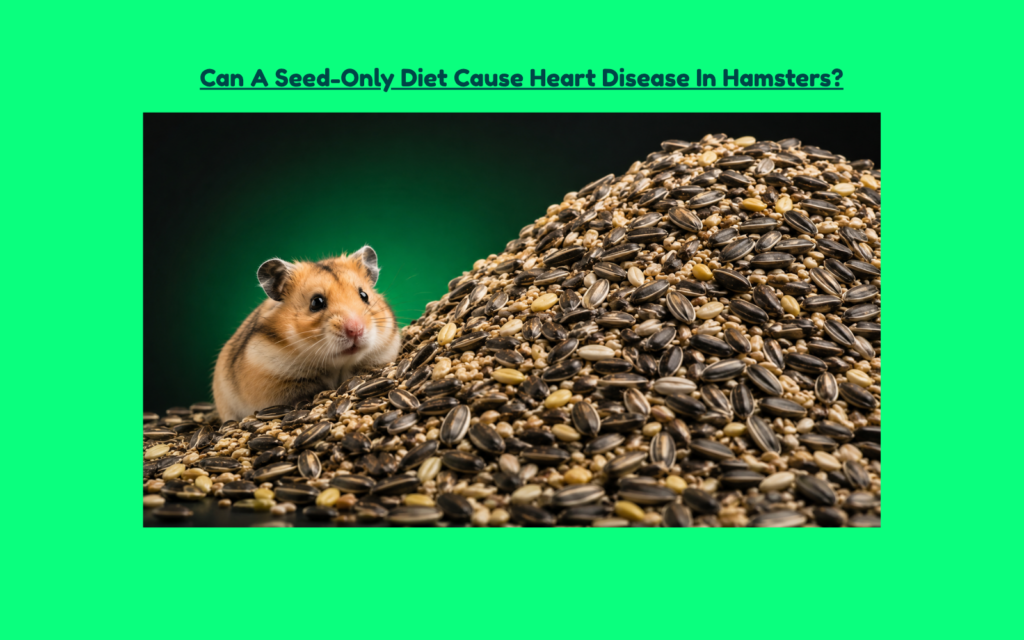
Feeding a diet made entirely of seeds might look natural, but it is actually a strictly high-fat diet that is commonly linked to long-term health concerns and elevated cardiovascular issues in hamsters over time.
Picture this familiar routine. You sit down on the couch after coming home from the pet store, pop open a bag of natural foraging mix, and pour it into the dish. You look inside and see an entire mix made one hundred percent of sunflower seeds, pumpkin seeds, and nuts. It is very easy to assume this is a healthy, natural diet.
Here is the reality. Relying purely on seeds creates a high-fat diet that completely misses important everyday ingredients. Think about a human trying to live entirely on peanut butter and mixed nuts. It is very tasty, but it is far too heavy in fat to be a complete, everyday meal.
We are going to break down why a pure seed diet is too heavy in fat, how to visually spot a seed-heavy mix in your bowl, and the exact steps to add standard pellets back into their daily routine.
Why is a seed-only diet linked to heart disease in hamsters?
Seeds are naturally packed with oils and fats, and eating nothing but seeds every single day causes unhealthy weight gain and may contribute to long-term cardiovascular concerns.
A seed-only diet rarely creates problems overnight. The real concern is what happens when high-fat ingredients become the overwhelming majority of daily intake for weeks or months at a time. As consumption patterns become increasingly dependent on sunflower seeds, owners should also consider the long-term effects that these calorie-dense ingredients may have on body condition and weight gain.
Let us talk about what you actually see when you fill up that dish. You pour a fresh scoop of a seed-only mix into the bowl, and it looks physically full. It piles up nicely, it looks dense, and it seems like plenty of food. But a bowl that looks full can still be completely unbalanced.
Many owners look at these mixes and think they are making the best possible choice because the food looks natural. It strongly resembles what a hamster might forage for in the wild. You see whole seeds and nuts, and it feels like a premium, instinct-driven meal. Here is the reality. While it might look like a natural foraging experience, it is missing the essential, plain ingredients that anchor a daily diet.
Visualizing The Dietary Imbalance
Dominant in Oils & Fats
Anchored by Everyday Pellets
Chart Explanation: The chart on the left demonstrates a high-fat, seed-only mix where oily seeds physically dominate the entire meal. The chart on the right shows a balanced daily mix, clearly anchored by everyday base pellets with seeds acting only as a small addition.
There is a massive visual difference between a snack-heavy bowl and an everyday meal. A bowl filled entirely with rich, oily seeds is essentially a dessert dish. It is packed with heavy items that are meant to be enjoyed sparingly. On the other hand, an everyday meal is visibly grounded by plain, everyday base pellets. When those uniform pellets are missing, the bowl is just a collection of high-fat snacks posing as dinner. It is incredibly easy to make this mistake because the pet industry often packages these seed-heavy mixes as complete meals. However, relying on physical observation in your own home is the best way to see the imbalance for yourself.
The Rule: A strict seed-only diet carries a very high fat content. Seeds are meant to be a snack or a small part of a larger meal, not the entire dish.
The Reason: A diet without standard base pellets deprives the pet of a balanced meal. When everyday base pellets are missing, they lose out on standard everyday ingredients that keep their body functioning normally.
The Example: Consistently feeding this high-fat diet is a pattern associated with elevated cardiovascular concerns. These specific diets often contain much more fat than a balanced everyday mix and are commonly linked to long-term health concerns.
What does an unbalanced, seed-only diet actually look like in the bowl?
It helps to know what you are looking at; a seed-heavy mix usually looks like a trail mix without any standard, solid base pellets holding the daily meal together.
When you stand over the cage and look directly down at the bowl from above, the imbalance usually jumps right out at you. Take a moment to just look at the physical space inside the dish. Do you see large concentrations of sunflower seeds, pumpkin seeds, and peanuts taking up nearly all the room? If those heavy items are dominating the space, you are looking at an unbalanced daily mix.
Scanning from above: Look for large, loose seeds taking up the entire physical space.
Chart Explanation: This diagram simulates what you see when looking straight down into an unbalanced bowl. The highlighted green shapes represent large, loose seeds taking up the vast majority of physical space, completely pushing out room for standard, solid base pellets.
You want to actively visually scan the dish for uniform, plain pellets. These pellets are usually brown or tan, and they look like small, solid blocks or cylinders. If you run your finger through the food and cannot find any of these plain pieces, the diet is leaning entirely on fats.
Think of the visual difference this way. A seed-dominated mix looks exactly like a party snack bowl. It is full of the richest, tastiest items that you would set out for a quick treat. A balanced bowl looks like a structured, everyday dinner. It has a clear, solid foundation of plain pellets mixed in with a smaller, reasonable sprinkle of those tasty seeds on top. If your pet’s bowl looks like a party snack bowl every single morning, the daily routine needs a physical adjustment. It is not about taking away the things they love; it is about visually making sure those rich items do not completely take over the dish.
Spotting a seed-heavy diet requires nothing more than a quick visual bowl check. Look right into the dish right now. If you see exclusively loose seeds, nuts, and dried items, you are seeing a dietary imbalance.
If there are zero plain, uniform base pellets or everyday ingredients mixed in among those seeds, you are visually looking at an unbalanced daily mix. It is that simple to check.
Looking inside the bowl is only the first step. A seed-heavy mix can appear normal at a glance while still creating a significant nutritional imbalance over time. If you want to determine whether your hamster’s current feeding routine shows signs of selective consumption, excess dietary fat, or a potential diet imbalance, running a structured diet audit can help identify problems before they become long-term habits.
How do you transition away from a seed-only diet to protect their health?
Fixing a high-fat diet means reducing the amount of seeds in the bowl and adding more everyday pellets alongside them to give your hamster a more complete daily meal.
You can transition away from a seed-only diet by establishing a new routine. Here are the exact diet transition steps to follow:
The Physical Transition Over Time
Chart Explanation: This timeline maps the physical shift in the food bowl over several days. The neon mint line shows the physical volume of high-fat seeds steadily dropping, while the deep teal line shows the volume of standard base pellets steadily rising until they successfully anchor the meal.
Look at the current amount of seeds you are serving.
Take note of exactly how deep the seeds are piled in the dish today. A common mistake is severely underestimating the fat content sitting in that pile. Once you see the sheer volume of seeds taking up space, you will understand why a change is necessary.
Introduce a handful of standard base pellets into the daily bowl.
When you first do this, the changes in the bowl will be obvious. The new pellets might sit untouched at first. To help, physically mix the pellets evenly into the seeds so they cannot be easily ignored. Make sure they are blended right into the middle of the dish.
Slowly reduce the number of pure seeds you serve each day.
As you pull back on the seeds, the bowl will start looking slightly emptier of treats. This is exactly what you want to see. A very common mistake here is panicking and adding more seeds back into the bowl because the hamster seems bored with the plain pellets. Stay patient and stick to the routine.
Visually check the bowl to ensure they are actually eating the new pellets, not just picking out the remaining seeds.
Look closely at the plain pieces left behind. You want to see bite marks on the pellets, find little piles of pellet dust, or simply notice the plain pellet pile shrinking day by day. This confirms they are accepting the new, balanced meal.
How do you audit your current food bag to check for a seed-only mix today?
You can immediately check if your pet’s daily meal is unbalanced by physically inspecting the contents of your primary food bag right now.
Here is why checking the bag matters. It gives you the power to change their standard daily mix right away.
Chart Explanation: This graphic highlights the physical act of digging into the primary food bag. The magnifying glass represents the visual inspection required to see if standard, solid pellets exist underneath the top layer of seeds.
Let us make this a physical task right now in your pantry. Go grab your primary bag of hamster food. Open the bag wide and look straight down into the ingredient mix. Do not just look at the top layer, as heavier items often settle. Dig your hand deep into the bag and pull out a handful from the very bottom. Then, pull out another handful from the very top.
Compare the two handfuls in the light. Visually check whether standard, plain pellets are consistently present in both handfuls. Are there solid, uniform pieces anchoring the mix? Or are you just looking at a giant bag of loose seeds, dried nuts, and flaked items? If every handful you pull out is completely dominated by seeds without a single plain pellet in sight, the bag itself is the source of the unbalanced daily mix. Use this quick-reference audit checklist to finalize your physical pantry audit.
Actively checking the bowl matters just as much as pouring the food in the first place. When you take the time to physically inspect what is happening in the dish, you take complete control of your pet’s daily routine. Remember that checking the food bag before buying or serving is the absolute easiest way to catch a seed-dominated diet before it becomes a habit.
Seeds are incredibly enjoyable for your pet, and they absolutely have a place in their life. However, they should never be the entire meal. Standard base pellets belong in the daily routine to ensure the meal remains grounded and balanced. You have the ability to catch this imbalance just by using your eyes. Consistent observation is the best way to prevent everyday feeding mistakes and keep your pet on a steady, reliable track.