
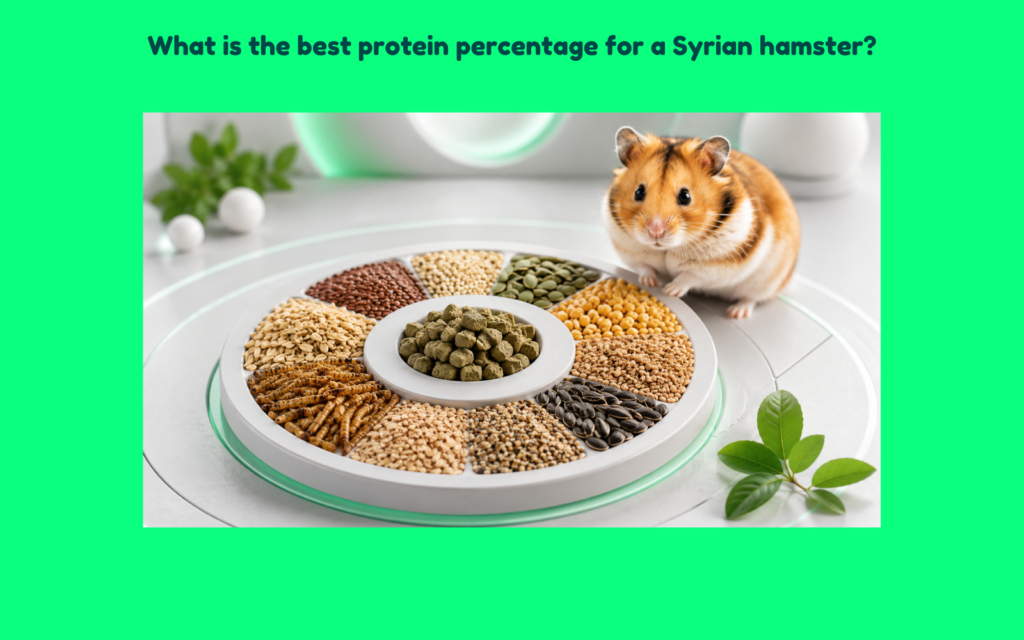
What Is The Best Protein Percentage For A Syrian Hamster?
Relying on a generic rodent diet completely ignores the tiny numbers printed on the back of the bag, usually ensuring your daily bowl falls outside the recommended protein range.
It happens all the time. You grab a bag at the store labeled for “all small pets.” You assume the crude protein listed on the back is perfectly fine for your Syrian. But here’s the catch. Different species require entirely different visible numbers. A generic mix almost always forces the bowl to fall short.
We are going to break down exactly how to read your bag’s true numbers, how to verify if a diet works on its own, and the exact steps to fix an inadequate pantry today.
Think of it this way. It is a lot like baking a cake from scratch. You cannot just scoop a random amount of generic white powder into the bowl and hope it equals the right amount of flour. You have to read the recipe. You have to verify the exact numbers on the package. Guessing ruins the cake.
Diagram 1: Magnifying the guaranteed analysis panel to verify the exact crude protein numbers printed on the physical bag.
Why is hitting the best protein percentage for a Syrian hamster critical for a stable dietary baseline?
Falling short of the commonly cited adult maintenance numbers means your daily bowl is actively missing the baseline, forcing your pet to survive on a diet that wasn’t built for them.
You must visually verify the exact crude protein printed on your guaranteed analysis panel rather than relying on the marketing on the front of the box.
Here is why that matters. Syrian hamsters operate best within a very specific number range. Generic diets frequently dilute this number to cater to a wider variety of animals.
Dumping a generic 13% “rodent diet” directly into the bowl completely misses the actual requirement. It leaves your animal running on empty. This demonstrates the strict necessity of reading the fine print. You have to lock in a species-specific standalone base to hit the best protein percentage for a Syrian hamster without having to constantly intervene.
How do you verify the daily bowl to achieve the optimal protein percentage for a Syrian hamster?
Hitting the required numbers means flipping the physical bag over to read the label and verifying that the mix actually hits the target on its own.
We all know the urge to just eyeball it. You reach into the physical bag, grab a random handful of seed mix, and toss it into the dish. It feels fast and easy. But grabbing a handful from an unverified bag creates wild, unpredictable daily protein swings. You might grab mostly fillers today and heavy seeds tomorrow.
Contrast that directly against the success of reading the guaranteed analysis panel. When you take the time to read the tiny text, you confirm the bag hits the precise number. You ensure the bowl is correct every single time you refill it. You stop guessing and actually achieve the optimal protein percentage for a Syrian hamster.
What protein percentage range is typically used for an adult Syrian hamster maintenance profile?
You have to verify the exact numbers printed on your bags before changing what goes into the bowl, keeping in mind that different formulation formats print entirely different numbers.
So, what are the visible numbers you actually need? The commonly cited adult maintenance baseline is typically verified between 15% to 17% crude protein. However, a bag that reaches the lower end of that range may still require owners to evaluate the need for protein supplementation before treating it as a complete standalone diet.
Diagram 2: Visualizing the optimal adult maintenance baseline separated from lacking and spiking visible numbers.
You want to clearly distinguish this verified standard from a mix that falls short. If the number drops below 15%, it is lacking. On the other hand, a bag that pushes too high and spikes above 17% is entirely different. A standard adult requires this stable baseline.
Because a bag formulated for a completely different life stage will print strictly different visible numbers, you absolutely must verify the label before making a switch. Staying inside that specific protein percentage range keeps the bowl safe and predictable.
How do you fix a wrong protein range when failing to meet the best protein percentage for a Syrian hamster?
If reading the fine print confirms your daily bag falls short, you must fix this gap by actively reclassifying that bag and verifying a better primary option.
The problem usually starts when you realize your bag only offers 13% protein. You panic. The urge is to toss a random pinch of high-protein treats into the bowl and hope the numbers average out. This is a bad habit.
The Label Reassignment Protocol:
Diagram 3: The Label Reassignment Protocol for re-classifying bags based strictly on verifying the printed numbers.
First, check the back of the physical bag to identify the current crude protein. Second, acknowledge that the printed number completely misses the 15-17% baseline. You have a wrong protein range.
Third, physically re-classify this bag so it is no longer used as a standalone base. Move it to the treat bin. Finally, check the labels of your other available options to verify a primary bag that actually prints the correct numbers. Fixing the best protein percentage for a Syrian hamster at the bag level prevents the need for daily guesswork.
How do you audit your current pantry to verify the optimal Syrian hamster protein percentage today?
You can actively secure the right numbers today by physically inspecting the tiny text on your primary bags to definitively verify if they meet the baseline requirement.
It is time to check your shelves. We are going to do a fast, physical audit right now to nail down the optimal Syrian hamster protein percentage.
The Adult Baseline Check
- Verification Target: The back panel of your primary food bag.
- Guaranteed Analysis Indicator: A crude protein reading printed clearly between 15% and 17%.
- Action: Verify that this bag meets the baseline on its own; classify it as a safe standalone option for a standard adult.
The Wrong Protein Range Check
- Verification Target: Generic or unverified small-pet mixes.
- Guaranteed Analysis Indicator: A printed number falling at 13% or spiking up to 20%.
- Action: Acknowledge that the label completely misses the baseline; immediately re-classify it and verify a new primary option before the next feeding.
Perform this physical pantry audit today to verify your exact numbers, and check your labels to fix the bowl if your current bag falls short.
Disclaimer: The information provided in this guide is strictly for educational and observational purposes, focusing entirely on reading physical packaging and verifying printed guaranteed analysis panels. It is not intended as a substitute for professional veterinary advice. Always consult with a qualified exotic veterinarian to verify any dietary adjustments for your specific animal.
Reference Citations & Sourcing
- Nutrient Requirements of Laboratory Animals (NCBI): https://www.ncbi.nlm.nih.gov/books/NBK231928/
- Syrian Hamsters Diet & Macronutrients (Crittery Exotics): https://crittery.co.uk/species-list/syrian-hamsters/syrian-hamsters-diet
- VTNE Questions / Veterinary Technician National Examination Flashcards (Quizlet): https://quizlet.com/575772683/vtne-questions-during-externship-flash-cards/