
Are Some Treats Unhealthy for Hamsters?
A hamster’s small stomach limits total intake, meaning that empty or highly sweetened snacks physically displace the essential daily nutrition they need to survive. Pet store aisles are filled with colorful yogurt drops and honey-baked sticks marketed specifically for small pets, making it difficult for well-meaning owners to realize these items often do more harm than good. Think of it like feeding a toddler candy before dinner; the volume fills the stomach, but the nutritional value is completely absent. This comprehensive guide explores the biological impact of commercial snacks, covering how sugar destabilizes metabolism, which synthetic additives to avoid, and how to safely correct a pet’s reliance on junk food.
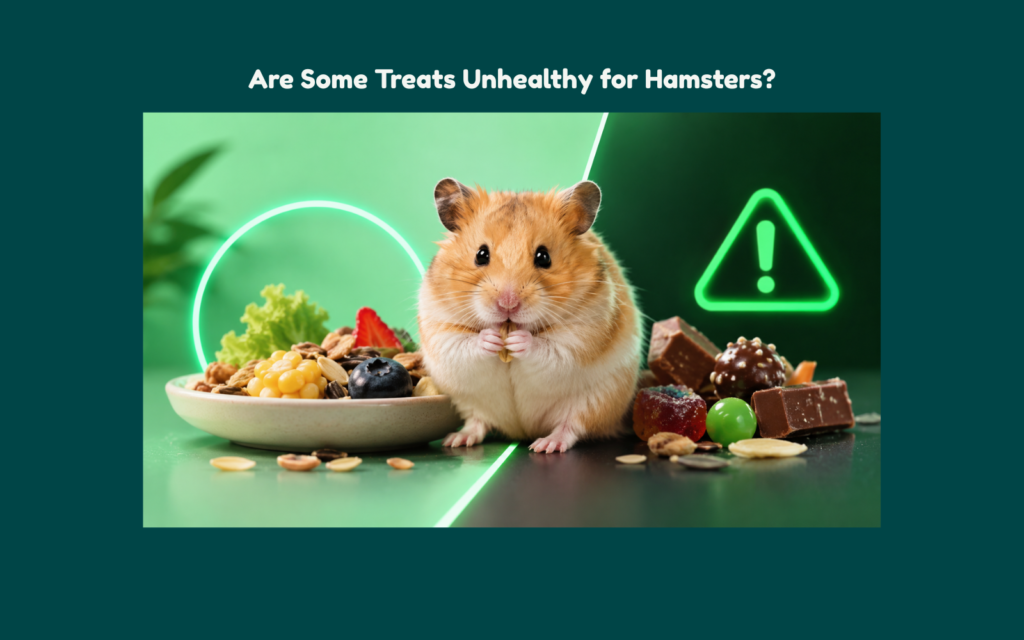
Figure 1: A visual representation contrasting safe, whole-food snacks with high-sugar commercial treats.
Why do unhealthy treats for hamsters compromise baseline daily nutrition?
Because a hamster’s stomach capacity is strictly limited, feeding high volumes of void calories physically prevents them from absorbing enough high-quality nutrition to support everyday wellness. A foundational rule of small animal care is that snacks and supplements must never exceed 5-10% of the animal’s total dietary intake to prevent nutritional displacement.
The reason for this limit is physiological: filling the digestive tract with empty calories leaves no physical room for the complex carbohydrates and baseline proteins required for cellular maintenance. Consider the difference between a diet supplemented occasionally with a highly nutritious dried insect, which supports muscle health, and one overwhelmed by sweet yogurt drops, which leaves the pet full but functionally malnourished. The National Research Council (NRC) Nutrient Requirements of Laboratory Animals confirms these physical boundaries of small mammal intake and underscores the absolute necessity of meeting baseline macronutrient requirements before any supplementation occurs.
Figure 2: Demonstration of nutritional displacement, illustrating how void calories physically overwhelm a hamster’s limited stomach capacity.
How do high-sugar ingredients in unhealthy hamster treats increase diet-related risks?
Feeding commercially processed, sugar-coated snacks rapidly destabilizes a hamster’s highly sensitive metabolism. Natural whole-food snacks, such as dried herbs, plain pumpkin seeds, or safe proteins, offer steady, sustainable energy that fuels active foraging and consistent daily routines. In stark contrast, processed, high-sugar snacks trigger rapid weight gain, pronounced lethargy, and sharp metabolic imbalances. When owners frequently offer these unhealthy hamster treats, the sudden spikes in blood sugar overwhelm the animal’s natural regulatory systems. Royal Veterinary College (RVC) VetCompass demographic data clearly highlights this phenomenon, documenting an increased prevalence of obesity and secondary metabolic conditions in pet rodents subjected to high-sugar diets over time.
Figure 3: Tracking the rapid metabolic spikes and subsequent lethargy caused by sugary snacks versus the steady energy provided by whole foods.
What common commercial additives make certain treats unhealthy for hamsters?
Many popular pet store snacks rely on synthetic dyes, added syrups, and heavy dairy coatings that lack proper nutritional value and actively strain the digestive tract. Synthetic sweeteners and thick dairy-based coatings disrupt delicate gastrointestinal flora, throwing the internal balance of healthy gut bacteria out of alignment. Furthermore, rodents inherently lack the necessary enzymes to properly digest heavy dairy. As a result of this biological incompatibility, these additives cause bloating and digestive discomfort rather than supporting natural, healthy foraging behavior. Guidelines established in Clinical Nutrition of Small Mammals (E.J. Dierenfeld et al.) explain these strict physiological limits of rodent digestion, outlining exactly why lactose and synthetic sugars are so problematic when introduced into treats unhealthy for hamsters.
How do you fix selective eating patterns caused by unhealthy treat habits in hamsters?
If your pet has become accustomed to highly palatable, sugary snacks, you must safely transition them back to a balanced, whole-food base diet without triggering a stressful food strike. The primary problem is that hamsters fed high-sugar treats will often refuse their nutritious pellets entirely, opting to hold out for the preferred junk food instead.
The solution requires a structured, step-by-step portion control strategy. First, instruct the entire household to immediately cease offering all sugary commercial treats. Next, introduce strict portion control for the base diet to naturally encourage normal eating behaviors. Over a 7-to-14-day transition period, safely substitute the old snacks with high-value, species-appropriate rewards like small, unseasoned flax seeds or a single dried mealworm. Standard exotic veterinary protocols for correcting dietary dysbiosis and selective eating patterns advise this exact method, pairing the abrupt cessation of sugars with strict base-diet portioning to successfully overwrite unhealthy treat habits in hamsters.
Figure 4: The step-by-step veterinary protocol for safely correcting unhealthy treat habits in hamsters.
How do you audit your pantry to identify hidden unhealthy treats for hamsters today?
You can immediately protect your pet’s metabolic health by inspecting the ingredient panels on your current treat bags for hidden sweeteners and unsafe synthetic additives. Use the following quick-reference checklist to evaluate your supplies.
| Treat Type | Label Red Flag | Physical Warning Sign in Cage | Action to Take |
|---|---|---|---|
| “Yogurt” Drops | Contains sugar, whey, or dairy solids | Uneaten base diet, soft stools | Discard completely; replace with dried herbs |
| Baked Seed Sticks | Bound with molasses or honey | Rapid weight gain, sticky residue | Swap for loose, unhulled seeds scattered for foraging |
| Colored Puffs | Artificial dyes (e.g., Red 40, Yellow 5) | Unnaturally bright colors not found in nature | Phase out in favor of single-ingredient, natural proteins like crickets |
References
- National Research Council (NRC). Nutrient Requirements of Laboratory Animals. Available at: https://www.ncbi.nlm.nih.gov/books/NBK231927/
- Royal Veterinary College (RVC). VetCompass demographic data. Available at: https://www.rvc.ac.uk/vetcompass
- Dierenfeld, E.J. et al. Clinical Nutrition of Small Mammals. Available at: https://www.researchgate.net/profile/Ellen-Dierenfeld
- LafeberVet. Standard exotic veterinary protocols for correcting dietary dysbiosis and selective eating patterns. Available at: https://lafeber.com/vet/how-to-feed-the-small-herbivore-gastrointestinal-tract/
Evaluating your pet’s food carefully is a practical, proactive way to support their lifelong health and daily well-being.