
What Types of Hamster Food Suit Daily Feeding?
Providing the right types of hamster food ensures your pet receives the complete daily nutrition required for long-term health and energy. Pet store aisles are filled with confusing options—from compressed pellets to colorful seed mixes—making it difficult to know what truly belongs in a daily feeding bowl.
Think of assembling their diet not just as pouring a bowl of snacks, but as packing a meticulously balanced lunchbox for a very active, tiny athlete. Every component has a specific job to do. This comprehensive guide explores the best daily diet formats, comparing seed mixes and pelleted blocks, identifying safe fresh supplements, and solving common selective feeding habits.
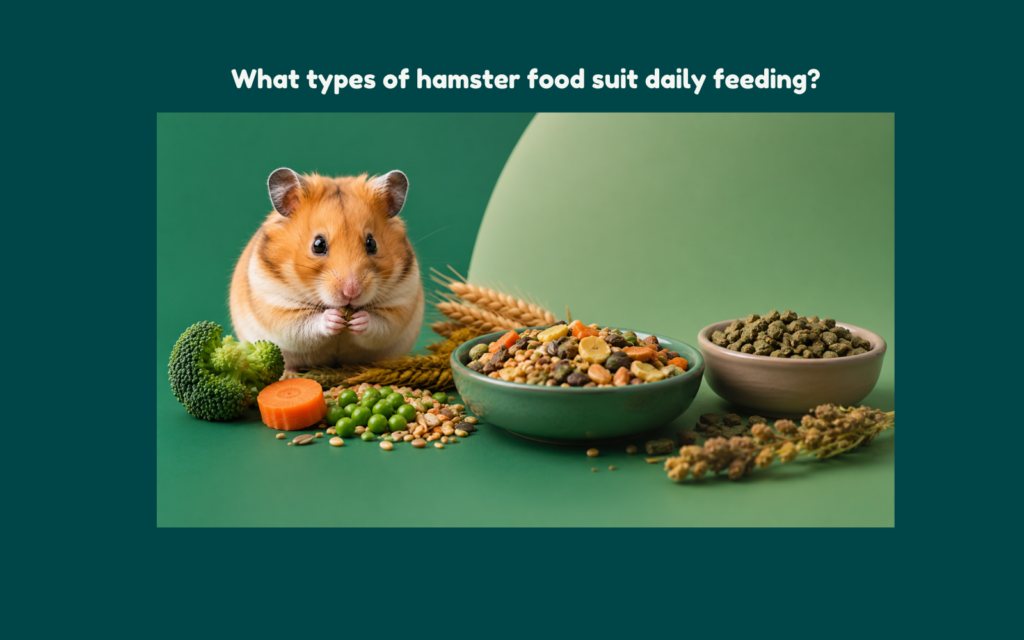
Figure 1: A stable, commercially formulated base diet should make up the vast majority of daily intake to ensure comprehensive macronutrient balance.
What are the foundational types of hamster food suitable for a daily diet?
Establishing a balanced daily diet begins with understanding the foundational types of hamster food available on the market. A daily diet must be built on a commercially balanced base rather than cobbled together entirely from household scraps.
Commercially formulated bases are specifically engineered to provide the exact ratio of proteins, fats, and essential micronutrients required to support everyday energy and long-term wellness. Consider the difference between a commercial base that steadily fuels their nocturnal activity and a well-meaning but unbalanced homemade diet that ultimately lacks crucial trace minerals.[1]
How do seed mixes compare to pelleted blocks as daily hamster food varieties?
Choosing the right base requires understanding how seed mixes compare to pelleted blocks as daily hamster food varieties.
| Pelleted Blocks | Seed Mixes |
|---|---|
|
Nutritional Uniformity: Blocks provide complete stability. Every single bite contains the exact same macronutrient profile, ensuring consistent health.
Dietary Control: They completely prevent selective feeding habits, as the pet cannot pick and choose only the fatty ingredients. |
Mental Enrichment: Loose pieces encourage natural behaviors, giving the pet something to sort, husk, and store.
Physical Diversity: A high-quality mix provides high natural foraging value, keeping the animal physically engaged during their active nocturnal hours. |
What fresh types of hamster food can complement a daily commercial mix?
Beyond the commercial base, offering specific fresh types of hamster food can safely complement and enrich a daily commercial mix. Small, properly portioned amounts of fresh greens, such as spinach or romaine, and natural proteins, like dried mealworms or unseasoned egg, support everyday wellness without causing digestive upset.[2]
Why does the physical texture of daily hamster food options matter for dental health?
Ensuring appropriate physical texture in your daily hamster food options is essential for continuous dental health. The anatomical reality of continuously growing hamster incisors requires the mechanical friction of hard, structurally dense pieces.
Providing hard lab blocks or tough, unhulled seeds provides the necessary friction to help maintain dental health and reduce the risk of overgrowth.[3]
Figure 2: Appropriate dietary texture provides essential mechanical friction, preventing life-threatening overgrowth of the continuously erupting incisors.
How do you fix selective feeding habits when offering mixed hamster diets?
If your pet only eats their favorite pieces, you must learn how to fix selective feeding habits when offering mixed hamster diets. Hamsters are opportunistic foragers; when given a large bowl of a seed mix, they will selectively hoard the high-fat items, like sunflower seeds, and leave behind the high-fiber pellets, leading to malnutrition.
The Dietary Repair Template provides a clear solution. First, properly portion the food by scatter feeding or using a small, measured bowl. Second, strictly wait for the entire portion to be fully emptied or hoarded before refilling. This guarantees complete and balanced nutrient intake.[4]
How do you build the ideal daily menu using the best types of hamster food today?
You can confidently build the ideal daily menu using the best types of hamster food today by following a structured feeding routine.
Portion: 1 to 2 tablespoons
Frequency: Daily
Action: Scatter feed to encourage foraging
Portion: Thumbnail-sized portion
Frequency: 2-3 times per week
Action: Remove uneaten fresh food within 12 hours
Portion: 1-2 mealworms
Frequency: 1-2 times per week
Action: Offer as a high-value hand-feeding reward
References
Evaluating your pet’s food carefully is a practical, proactive way to support their lifelong health and daily well-being.
One Response